ചരിത്രം
The coast the whole world sailed to.
For two thousand years, Kerala's pepper drew Romans, Arabs, Chinese, Portuguese, Dutch and British ships to its shores. Their visits shaped world history, and Kerala itself.
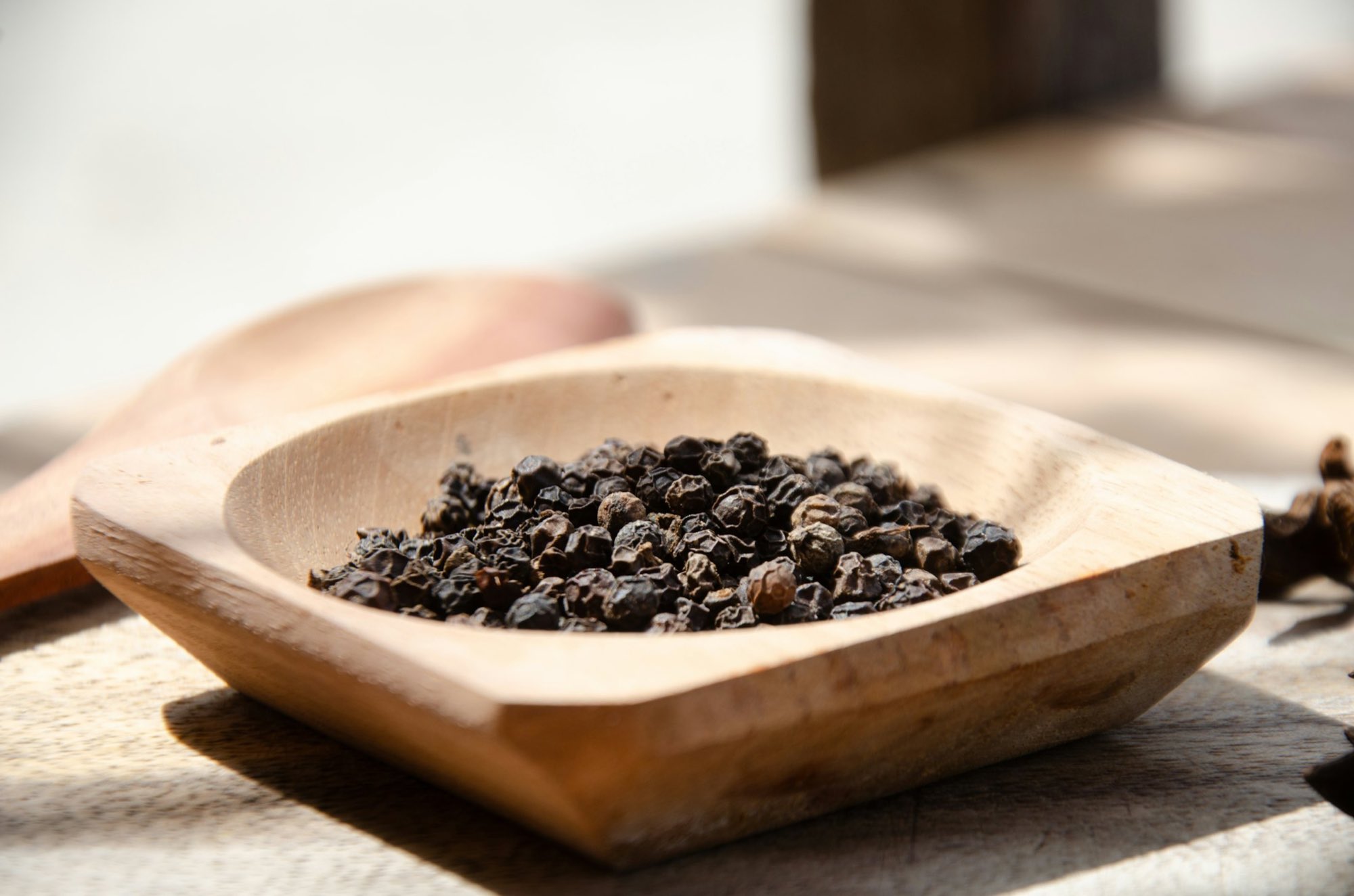 Black pepper, once called black gold
It began with a peppercorn.
Black pepper grows wild on vines in Kerala's forests. In the ancient world it was so valuable it was traded weight for weight against silver and used to pay taxes and ransoms.
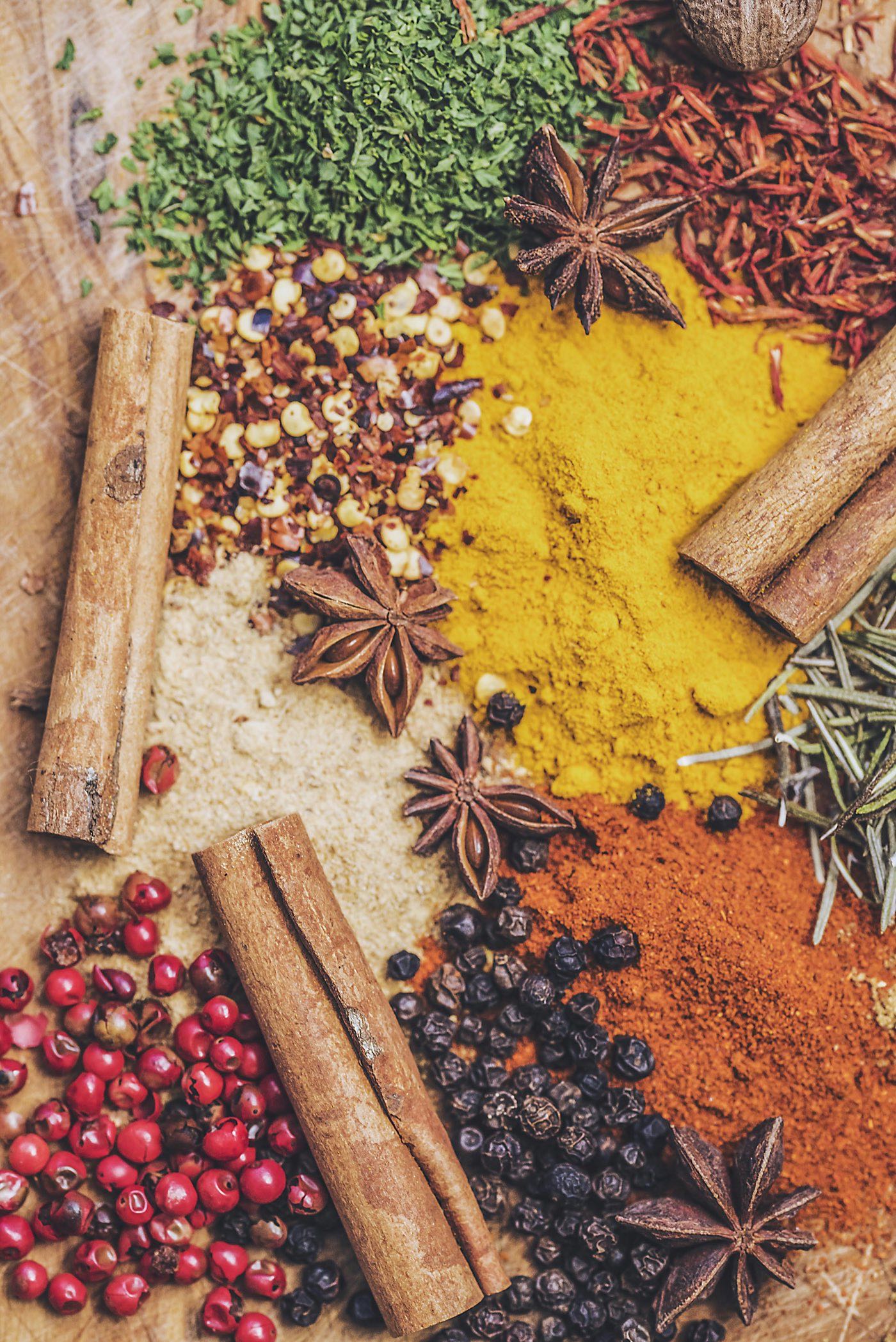
Cardamom, cinnamon, ginger and turmeric followed it onto the ships. The hunt for a direct sea route to these spices sent Columbus west, and Vasco da Gama around Africa. The age of European exploration was, in large part, a search for Kerala.
Two thousand years, in brief.
Kings of the Sangam age
The Chera dynasty ruled much of what is now Kerala. Classical Tamil poems of the Sangam period describe their ports crowded with foreign ships, and the pepper, pearls and ivory they traded.
Rome's pepper port
Roman ships rode the monsoon winds across the Arabian Sea to Muziris, near Kodungallur. Pliny the Elder complained of the gold flowing east to pay for spices. Excavations at Pattanam, near the old port, continue to uncover Roman amphorae and coins.
Christians, Jews and Muslims
Traders and settlers brought Christianity, Judaism and Islam to Kerala centuries before they reached much of Europe or Asia, and local kings granted them land and privileges on copper plates. Read more
A flood creates Kochi
A great flood silted up the old port of Muziris and opened a natural harbour at Kochi, which quickly became the leading port of the coast. Kozhikode (Calicut), ruled by the Zamorins, grew rich on trade with Arab merchants and visits from the Chinese treasure fleets.
Europe arrives by sea
The Portuguese navigator landed at Kappad, near Kozhikode, completing the first voyage from Europe to India around Africa. The Portuguese built Fort Manuel at Kochi in 1503, their first fort in India, along with St Francis Church.
The Dutch East India Company
The Dutch captured Kochi from the Portuguese and controlled much of the spice trade. Their legacy survives in Fort Kochi's architecture and in Hortus Malabaricus, a landmark 17th-century study of Kerala's plants compiled with local Ayurvedic physicians.
An Indian kingdom defeats a European power
At the Battle of Colachel, the army of Travancore under Marthanda Varma defeated the Dutch East India Company. The captured Dutch commander, Eustachius De Lannoy, went on to modernise Travancore's army.
Princely states, under British rule
Malabar in the north came under direct British rule, while Travancore and Cochin remained princely states. Their rulers invested early in schools, hospitals and public health, laying the foundations of Kerala's later achievements.
The fight for equality
The Vaikom Satyagraha, a non-violent campaign supported by Gandhi, challenged laws that barred lower castes from roads around temples. In 1936 Travancore's Temple Entry Proclamation opened its temples to all Hindus.
One state for Malayalam speakers
On 1 November 1956, Travancore, Cochin and Malabar were joined as the state of Kerala. In 1957 Kerala elected one of the world's first democratically elected communist governments, which pushed land reform and universal education.
A state that learned to read
After a mass campaign of volunteer teachers, Kerala was declared India's first totally literate state.
Global and connected
Millions of Malayalees work abroad. At home, Kochi has a metro, India's first water metro, a major container terminal and a growing technology industry, while Kerala remains one of India's most visited destinations.
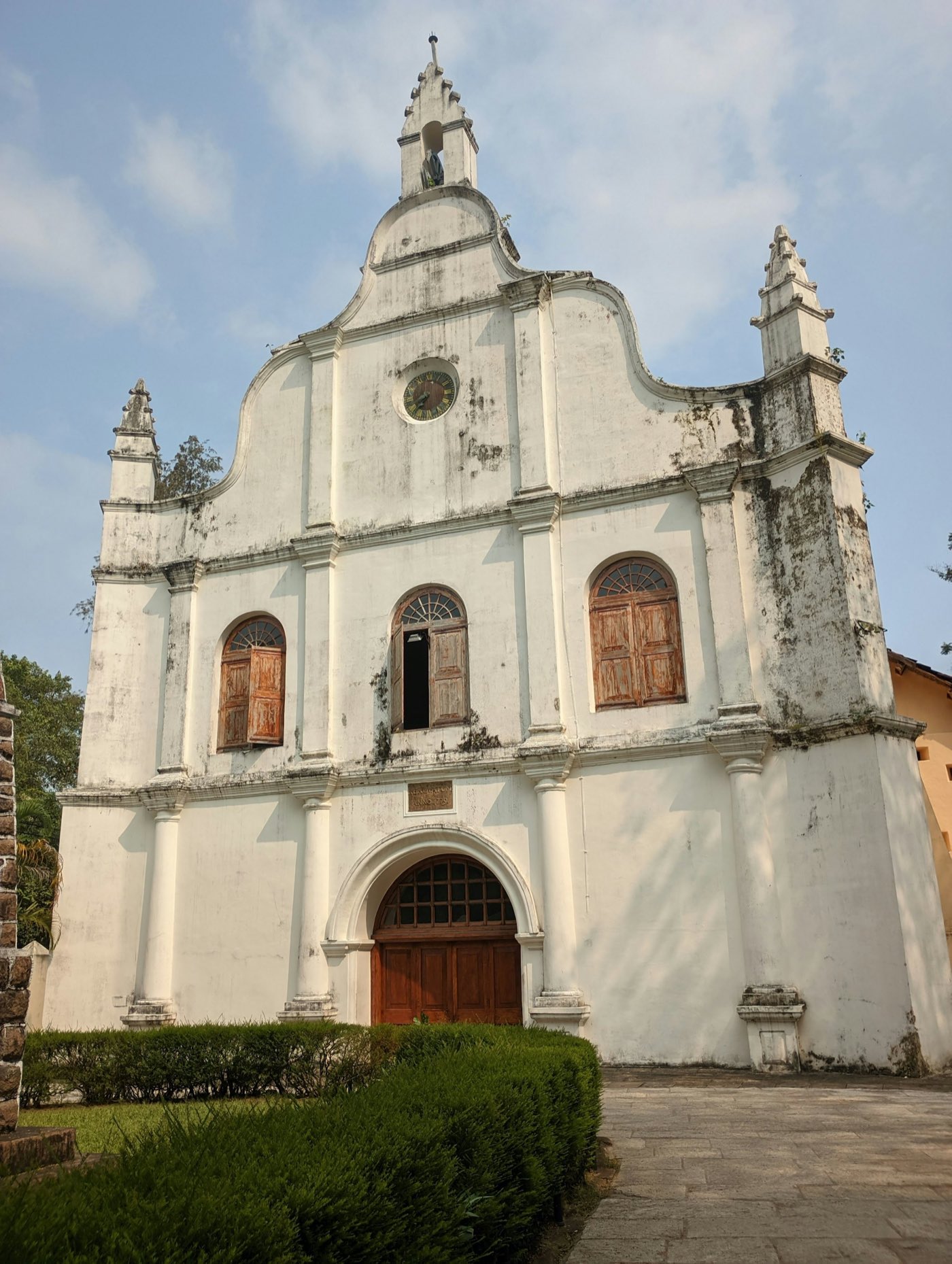
Four faiths on one shore.
St Thomas, the Jews of Kochi, the first mosques and Kerala's great temples.
Faith & heritage