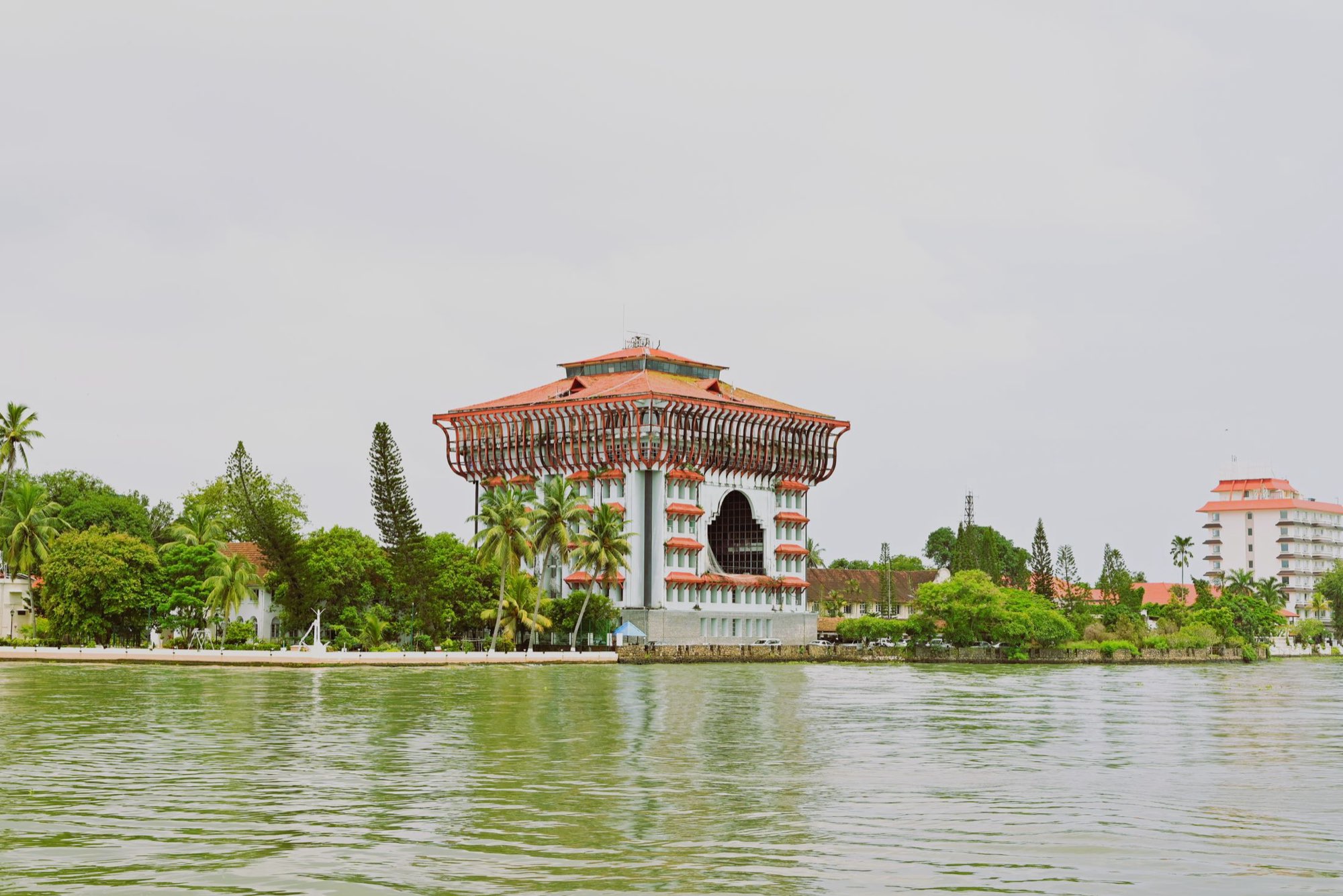
കൊച്ചി
Queen of the Arabian Sea.
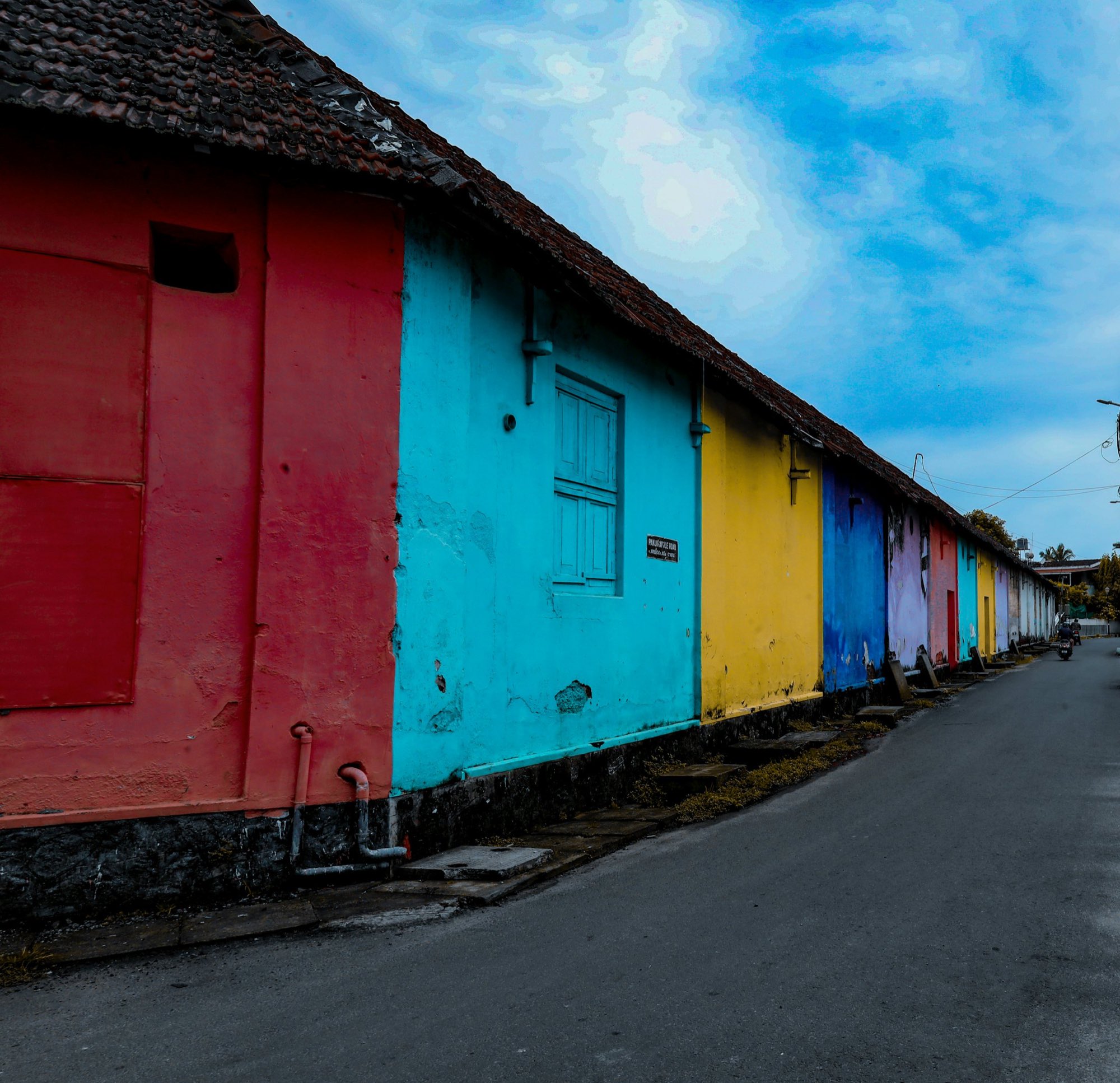
A harbour city where a synagogue, a palace, a Portuguese church and a mosque stand within walking distance, and where the old spice warehouses now hold contemporary art.
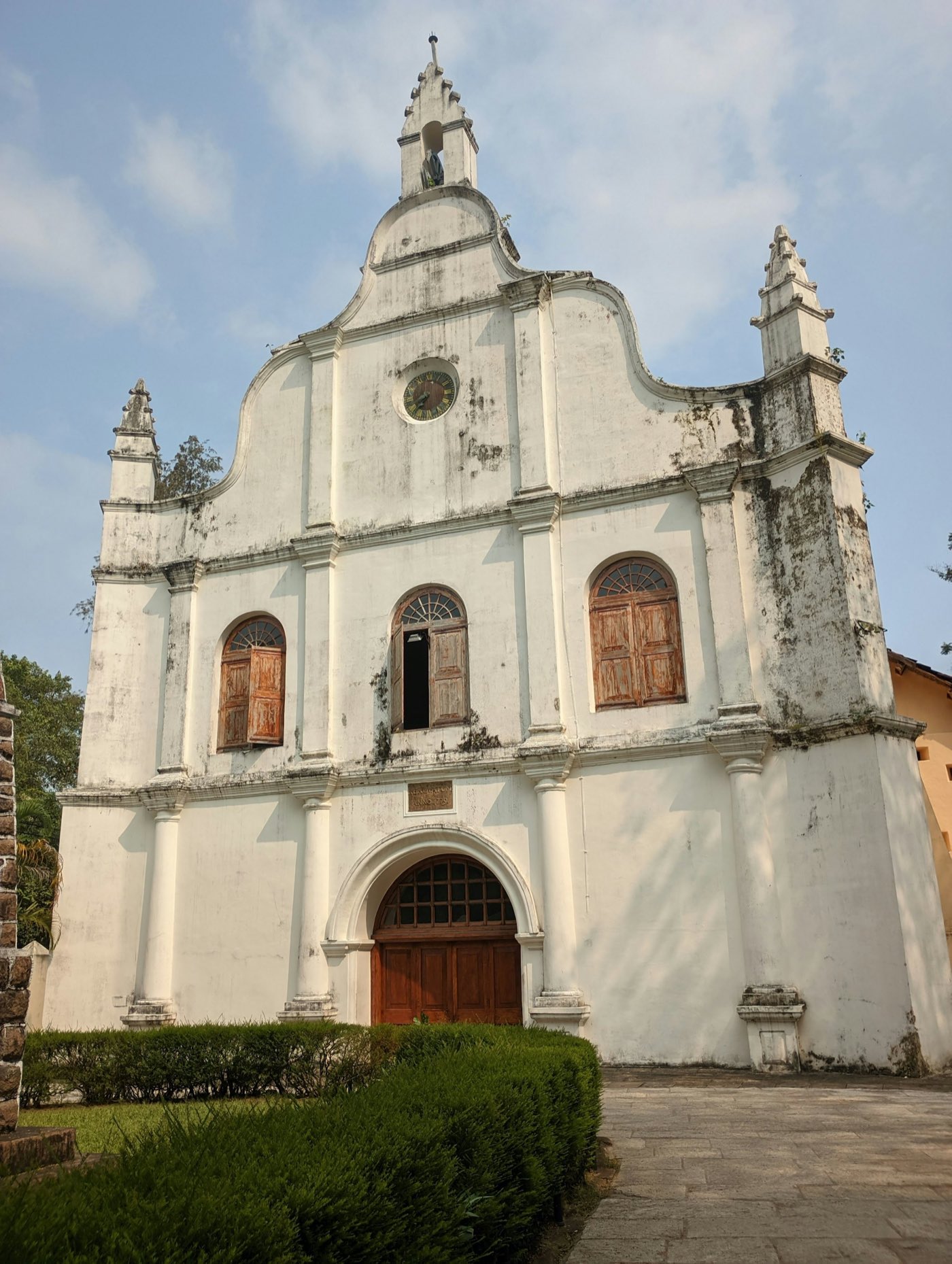 St Francis Church
Five centuries on every corner.
Fort Kochi's quiet, tree-lined streets are lined with Portuguese, Dutch and British buildings: bungalows with deep verandas, old warehouses and churches. St Francis Church, where Vasco da Gama was first buried, and the soaring Santa Cruz Basilica are a few minutes apart.
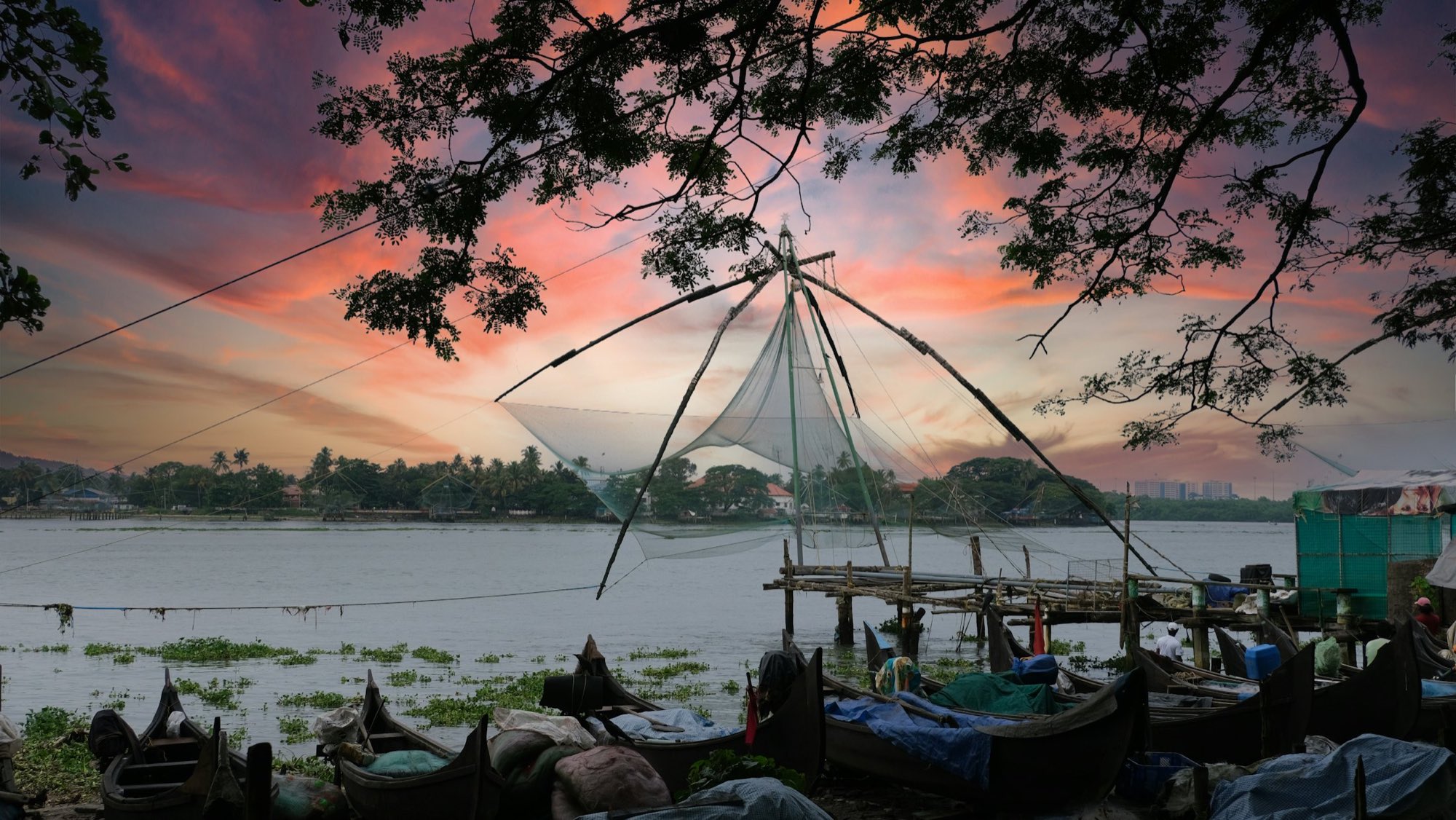
Along the waterfront, the famous Chinese fishing nets, cantilevered giants of teak and bamboo, are lowered and raised by teams of fishermen, as they have been for centuries. Tradition says they were introduced by traders from the court of Kublai Khan.
Palace, synagogue, spice market.
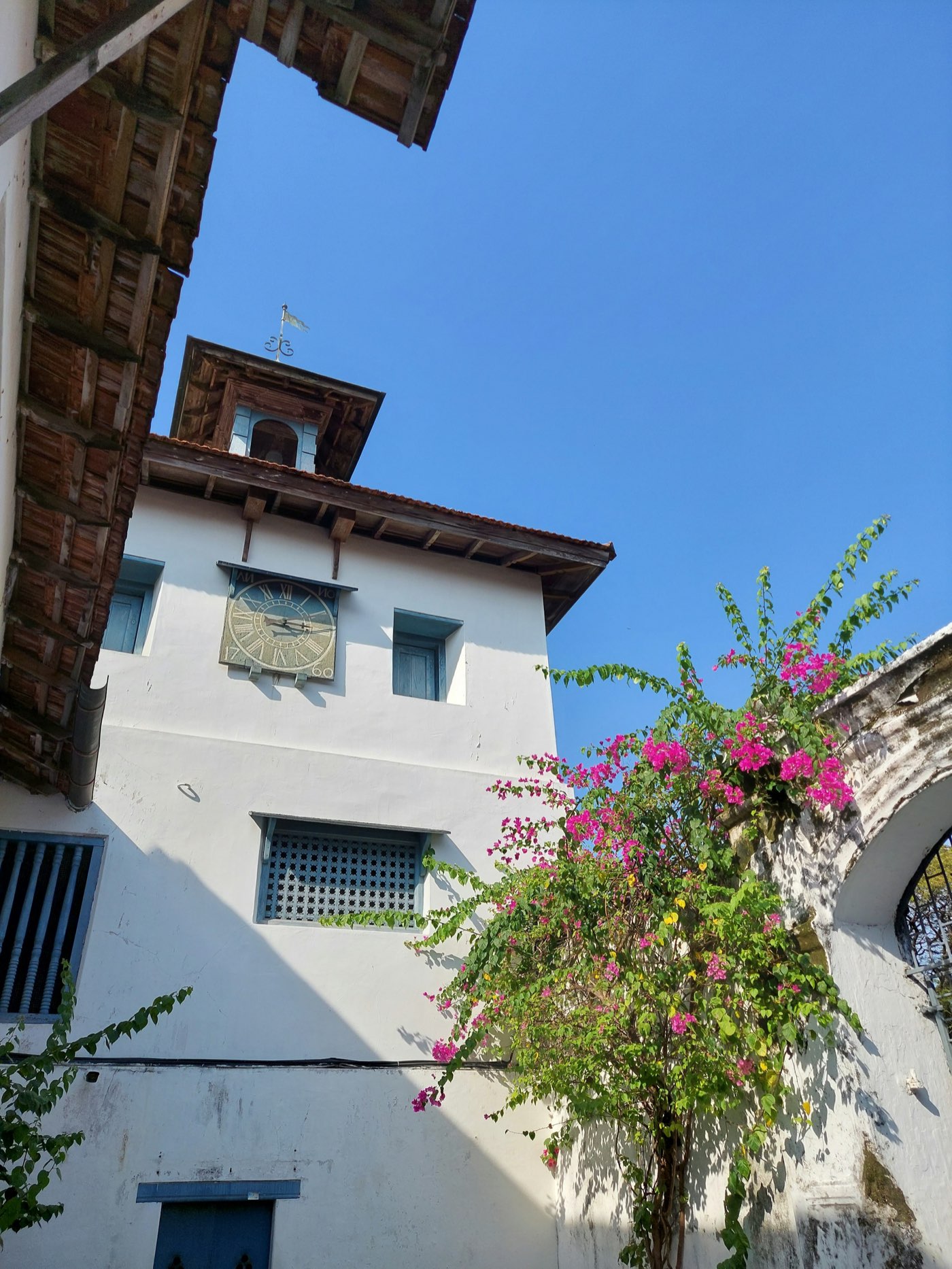 ›
Jew Town
The Paradesi Synagogue of 1568 and a street of antique and spice shops.
The Dutch Palace
Built by the Portuguese around 1555 and gifted to the Raja of Kochi, later renovated by the Dutch. Its walls hold some of Kerala's finest murals of the Ramayana.
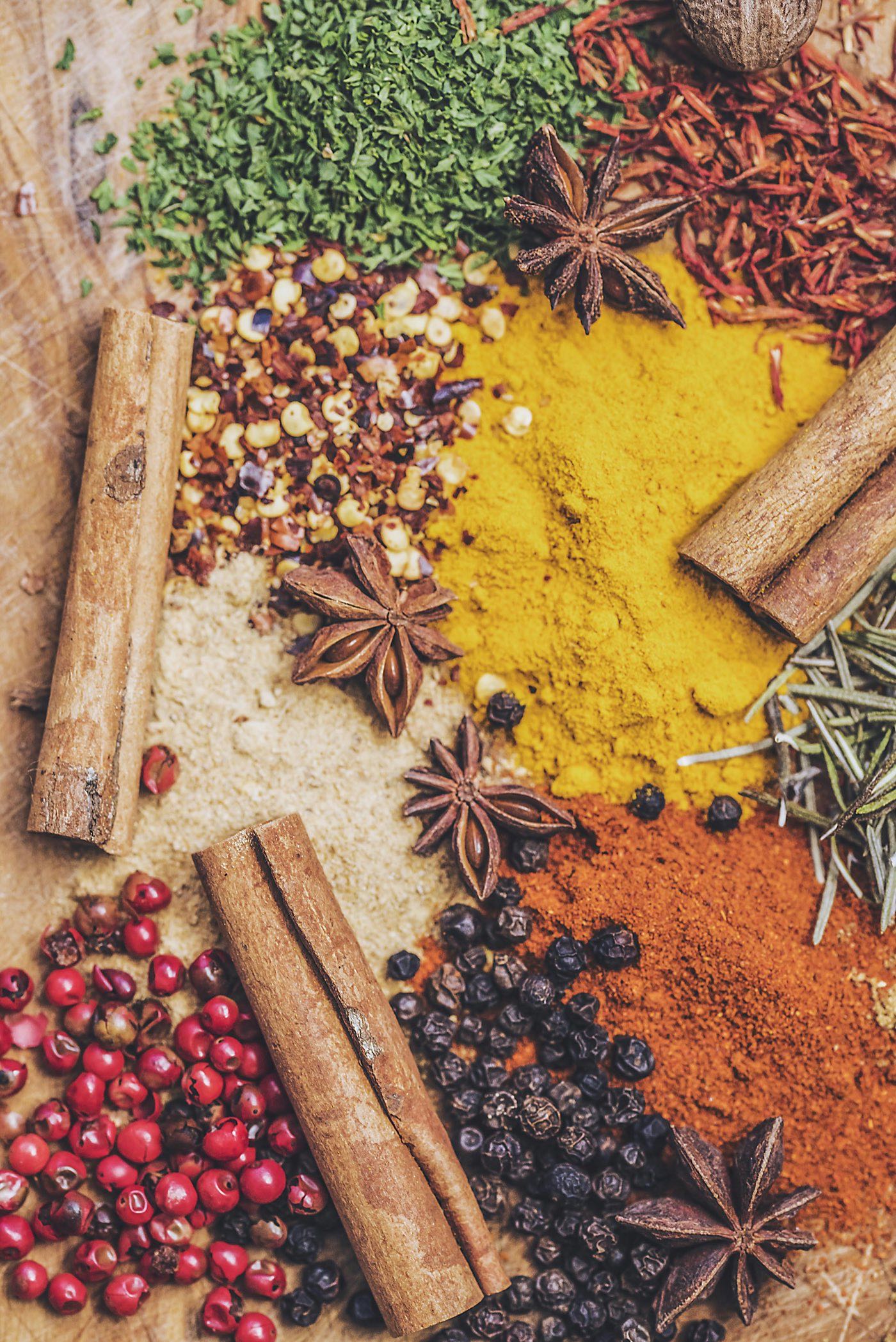
The spice trade
Warehouses where pepper, ginger and cardamom are still sorted and traded, the scent filling the lanes.
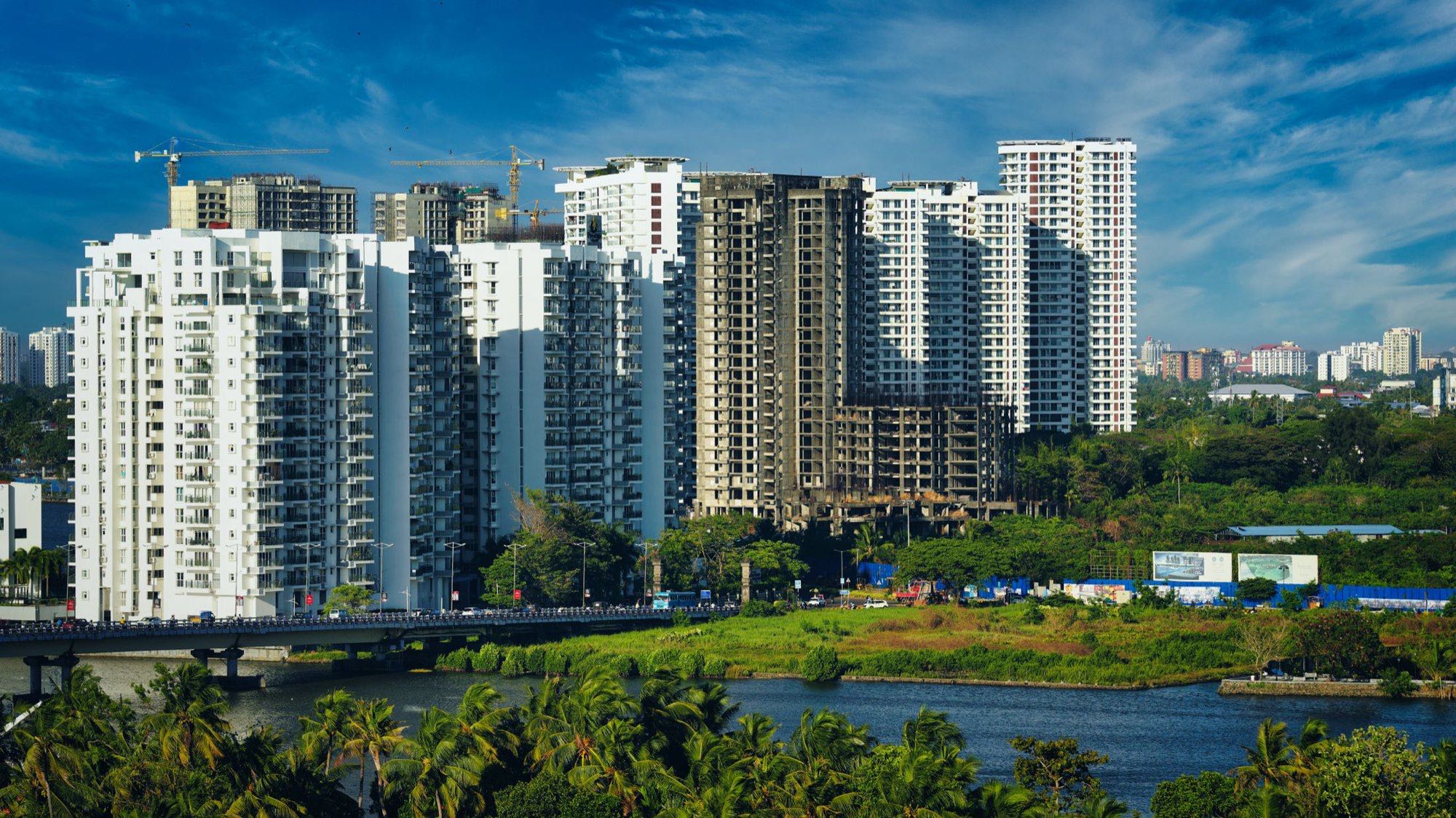
Modern Kochi.
Kerala's commercial capital, rising beside the backwaters.
Old port, new ideas.
Kochi is Kerala's commercial heart, with an international airport, shipyard, container terminal and fast-growing technology parks.
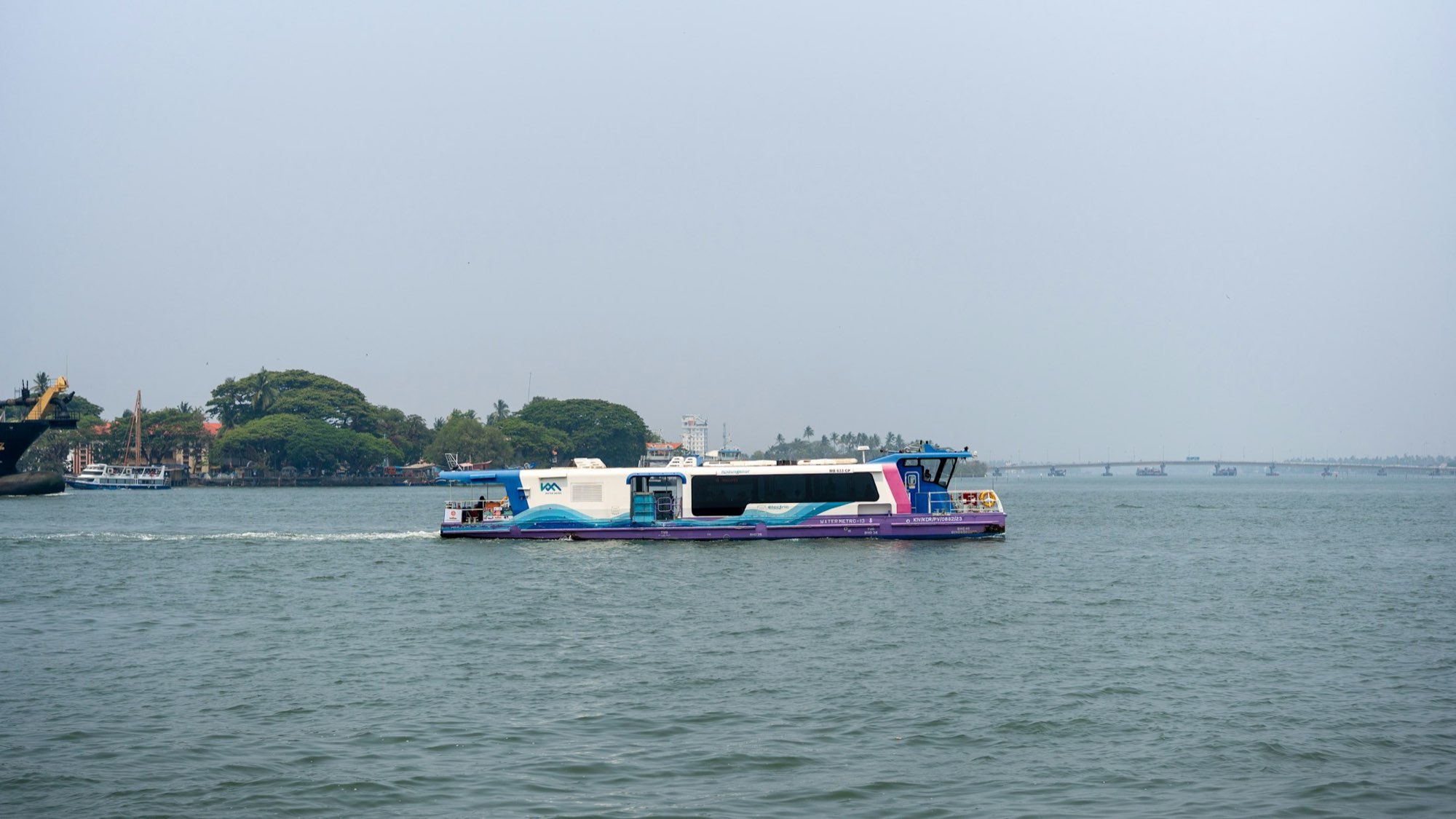
Water Metro
Opened in 2023, India's first water metro links Kochi's islands with electric-hybrid ferries.
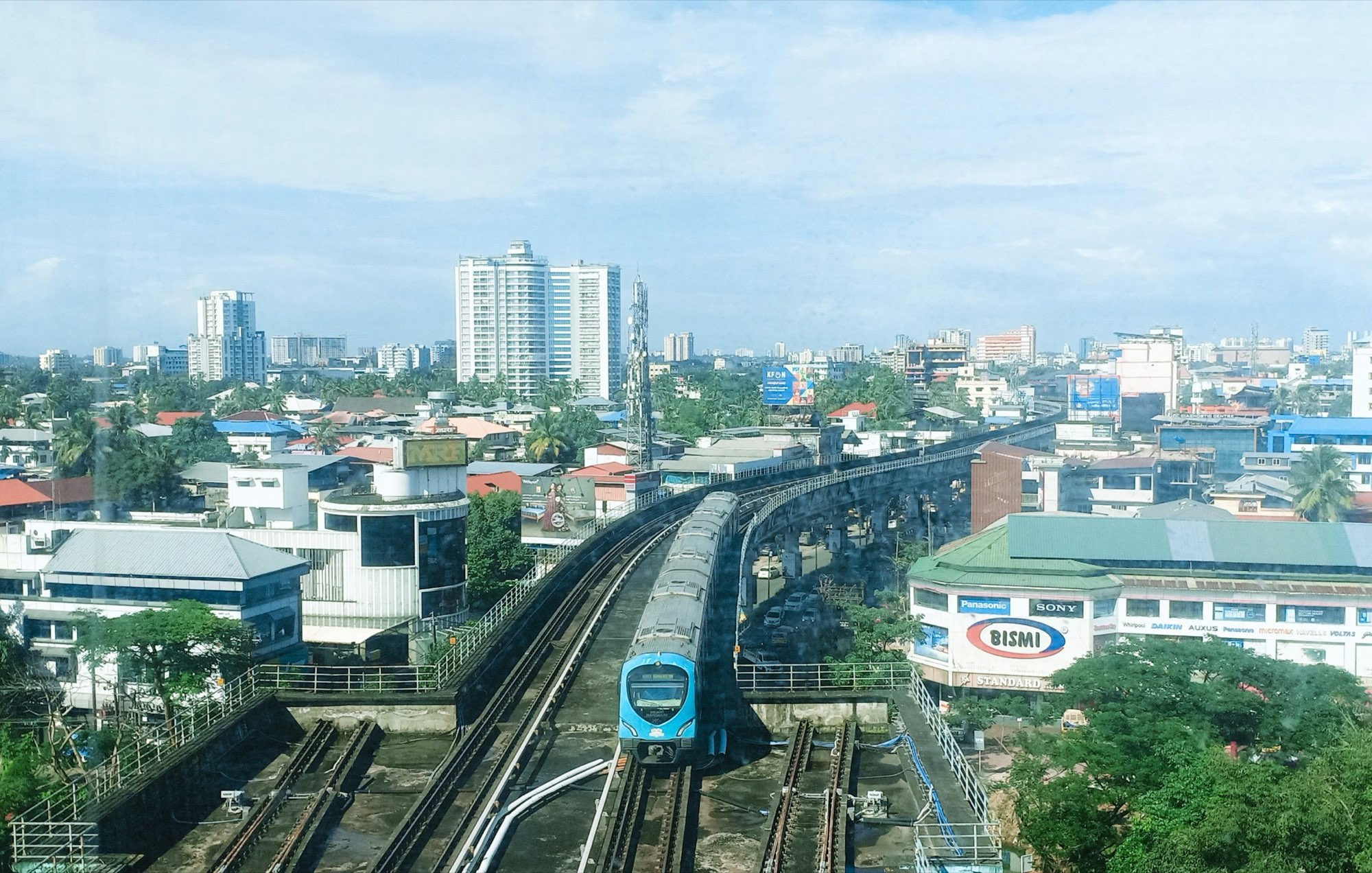
Kochi Metro
An elevated metro line running through the city, connected to boats and buses.
Kochi-Muziris Biennale
Since 2012, South Asia's largest contemporary art exhibition has filled Fort Kochi's warehouses and heritage buildings with work from around the world.
Solar-powered airport
Cochin International Airport became the world's first fully solar-powered airport in 2015.
Kathakali, nightly
Small theatres in Fort Kochi let visitors watch performers apply their elaborate make-up before an evening show.